Dekel
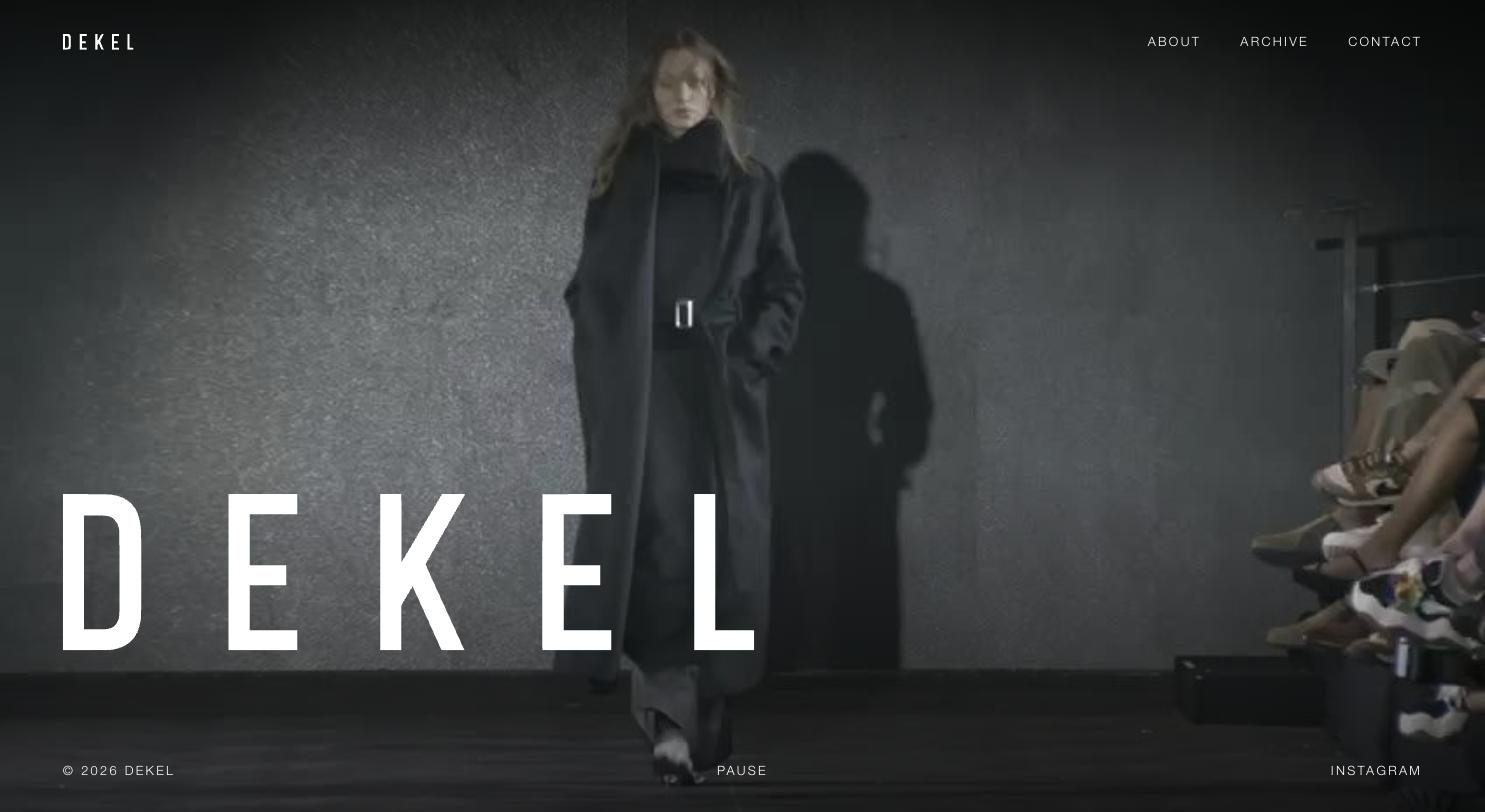
A site for an independent fashion designer in Florence, designed and coded in a week through an end-to-end AI execution stack.
The brief
Klil Dekel is a fashion designer, a Polimoda graduate based in Italy. He didn't have a website, so I built him one.
The first version, and why it never got made
A year earlier I had already designed this project, and given it away.
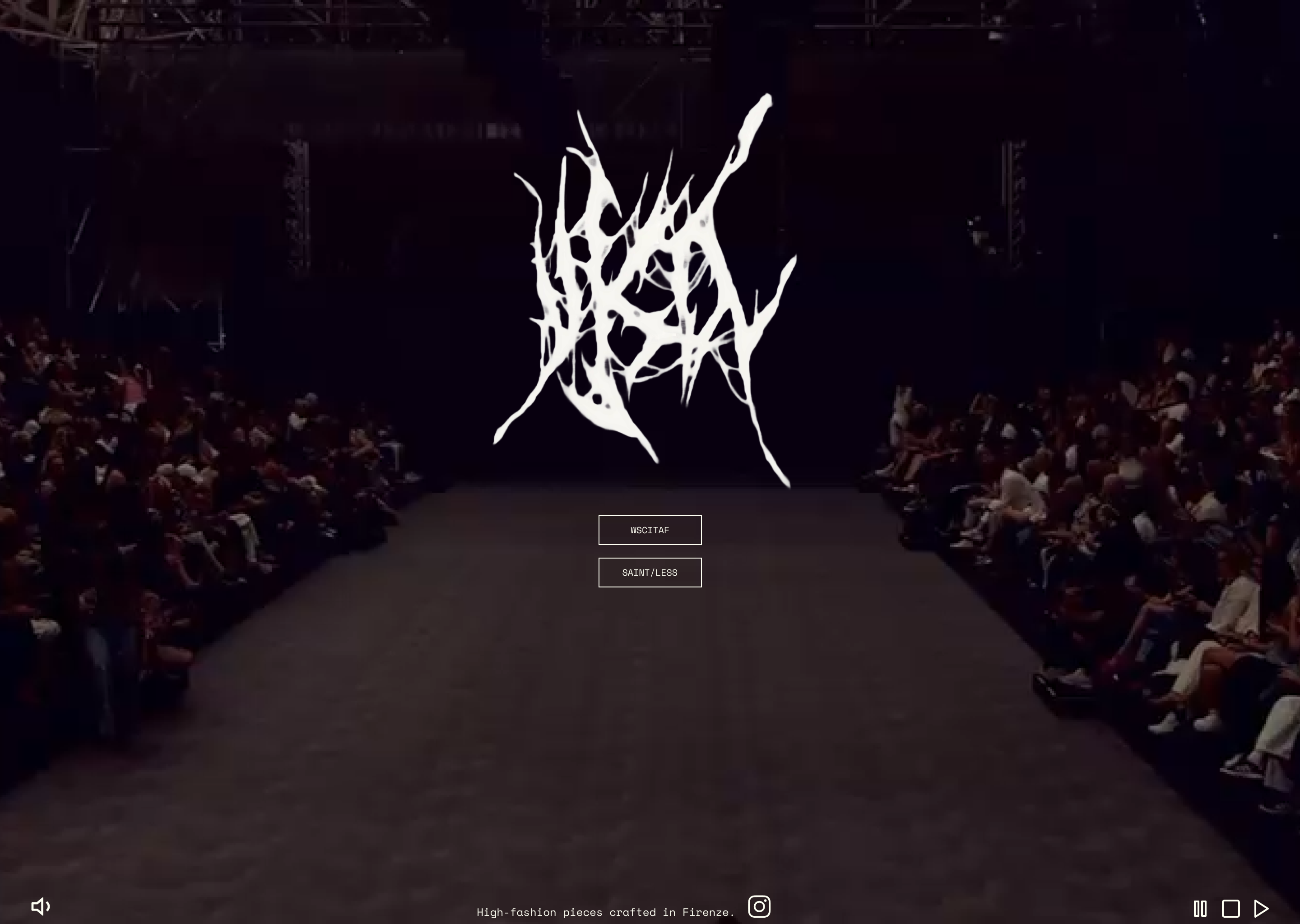
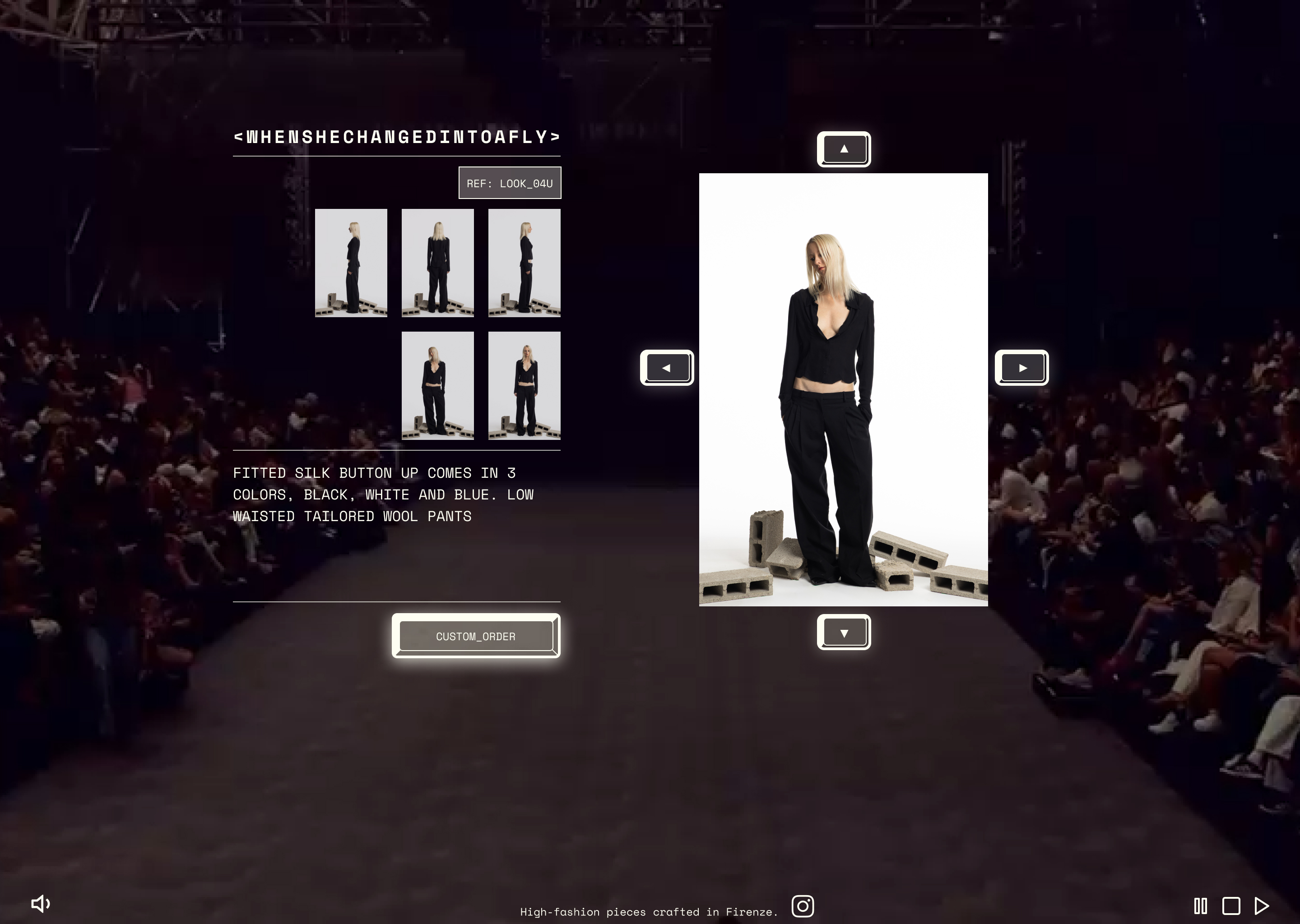
It was called Klil's Collections: a single-page spatial experience built around full-screen runway video, with non-linear navigation and a custom-orders route reachable from anywhere. I did it unpaid, for my own portfolio as much as for his, and it was supposed to get built.
It didn't.
He changed direction, and the design was left describing something that no longer existed.
I don't think the 2025 design was wrong. It was scoped for a brand that then evolved into something new. What made the 2026 version happen wasn't a better design - it was a real budget, a fixed scope, and a week to do it in.
What I built instead
An archive. Three influences, held against each other:
From spec to build
Most of the work happened before the build: the asset pipeline, the type scale, the grid rules, the image budget, the accessibility requirements. All of it was specified in a living brief and held in plan mode until the plan stopped changing. The build was short because the deciding was already done.
The specification is the part that's mine. Execution is fast now, and it is also confidently wrong on a regular basis, so the work moved to verification.
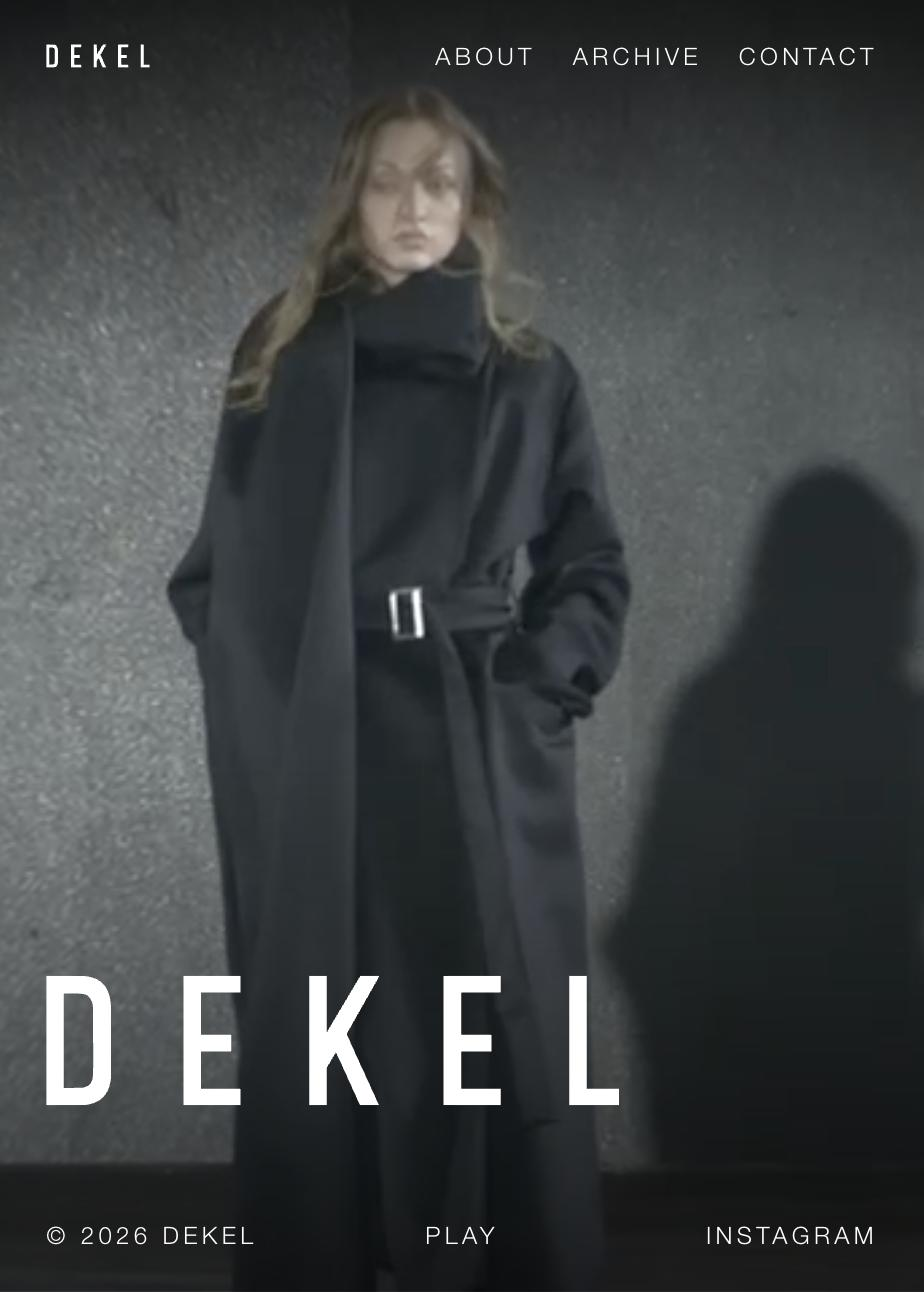
The clearest case was the hero video. Lighthouse gave accessibility a 100, but automated contrast checks skip any text sitting on video - a 100 there means not tested. So I measured all 26 frames, on desktop and phone. Every element passes; the tightest is 4.91:1.
Where it stands
Let’s build something great together.
I'm currently exploring new opportunities in product design and UX research.
My LinkedIn profile